Benefits of Oral Appliances for Sleep Apnea

Table of Contents

Last Updated: October 2, 2026

What Are Oral Appliances for Sleep Apnea?

Oral appliances for sleep apnea are custom-fitted dental devices designed to keep your airway open during sleep by gently repositioning your jaw and tongue. Unlike machines like CPAP devices, these mouthpiece-like appliances work silently and fit inside your mouth, making them a discreet option for managing obstructive sleep apnea.

At Jonathan Arias DDS, we work with patients in Ventura and surrounding communities seeking effective sleep apnea treatment. Many patients discover the benefits of oral appliances for sleep apnea, finding them easier to use consistently than other treatments, and adherence directly affects how well therapy works.

The basic concept is straightforward: when you have obstructive sleep apnea, the soft tissues in your throat collapse during sleep, blocking airflow. An oral appliance prevents this collapse by keeping your lower jaw slightly forward. This forward positioning can help keep the airway open and reduce breathing interruptions during sleep. Effectiveness varies based on the individual patient, anatomy, and severity of sleep apnea.

Pro Tip
Oral appliances work best when custom-fitted to your mouth. A one-size-fits-all approach won't deliver the results you need. Your dentist will take precise measurements and impressions to ensure your device fits comfortably and functions effectively.

How Oral Appliances Work for Sleep Apnea

Oral appliances work by holding your lower jaw slightly forward, which stretches throat tissues and prevents airway collapse during sleep.

Since your tongue attaches to your lower jaw, moving the jaw forward also moves the tongue away from the back of your throat, creating more airway space.

Effectiveness depends on the individual patient, appropriate device selection and adjustment, and consistent nightly use. Most patients adapt within a few weeks, and initial discomfort typically fades as the device becomes routine.

A dentist will recommend a design based on your anatomy, apnea severity, and individual needs.

Types of Oral Appliances and How They Differ

Mandibular Advancement Devices

Mandibular advancement devices (MADs) look similar to sports mouthguards and work by moving your lower jaw forward to increase throat space and prevent airway obstruction.

MADs come in custom-made (molded to your exact anatomy) and adjustable styles. Custom, titratable devices are designed specifically for the patient's anatomy and can be adjusted to optimize comfort and treatment response.

During titration, a dentist gradually advances your jaw position over several appointments to find the optimal setting that reduces apnea events while remaining comfortable.

Tongue-Retaining Devices

Tongue-retaining devices use gentle suction to position the tongue forward and may be considered in selected patients when a mandibular advancement device is not appropriate.

TRDs are recommended for patients with limited jaw movement, jaw pain, dental problems, dentures, or significant tooth loss. Many find them comfortable after adjustment.

Oral Appliance Therapy vs. CPAP: Which Is Right for You?

Both CPAP and oral appliance therapy are established treatments for obstructive sleep apnea, but they work differently. CPAP uses pressurized air through a mask to keep the airway open and is generally more effective at reducing breathing events and improving oxygen levels. Oral appliances reposition the jaw to help maintain an open airway and may be an appropriate alternative for patients who prefer them or have difficulty tolerating CPAP

Factor

Oral Appliance

CPAP

Appearance

Discreet, looks like mouthguard

Visible mask and tubing

Noise Level

Silent

Audible motor noise

Ease of Travel

Compact, fits in pocket

Requires power source, bulky

Adjustment Period

2-4 weeks

1-2 weeks

Maintenance

Simple cleaning

Regular filter changes, mask cleaning

Effectiveness

Very effective for mild to moderate apnea

Highly effective for all severities

The best choice depends on personal preference, apnea severity, and what you'll use consistently. An oral appliance you wear every night is more effective than a CPAP machine you don't use.

Key Takeaway
The right treatment depends on your diagnosis, severity of sleep apnea, medical history, preferences, and ability to use the treatment consistently. If you've struggled with CPAP compliance, oral appliances for sleep apnea might be the solution that finally gives you consistent, restful sleep.

Key Benefits of Using Oral Appliances

The benefits of oral appliances for sleep apnea extend beyond just treating the condition. Here's what patients typically experience:

Better Sleep Quality. When your airway stays open, you stop experiencing breathing interruptions that wake you, resulting in deeper, more restorative sleep.

Improved Daytime Function. Effective treatment may improve daytime sleepiness, energy, concentration, and overall quality of life.

Reduced Cardiovascular Risk. Untreated sleep apnea increases risk of high blood pressure, heart attack, and stroke. Treating your apnea protects your long-term health.

Quieter Sleep. Unlike CPAP machines, oral appliances are completely silent. Your partner won't be disturbed, and you won't be reminded of your condition every time you hear the machine.

Convenience and Portability. An oral appliance fits in your pocket and travels with you, no power cords, water tanks, or complicated setup.

The Fitting Process and Adjusting to Sleep Apnea Dental Devices

Getting fitted for an oral appliance involves several steps. Understanding the process helps you plan ahead.
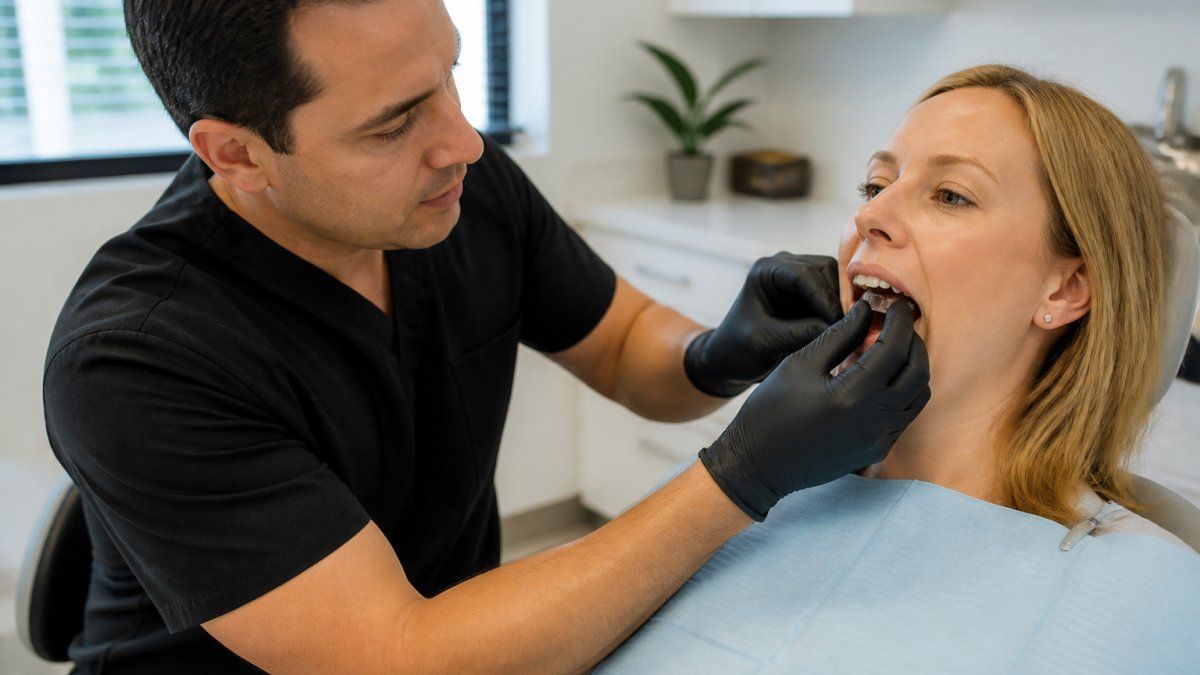
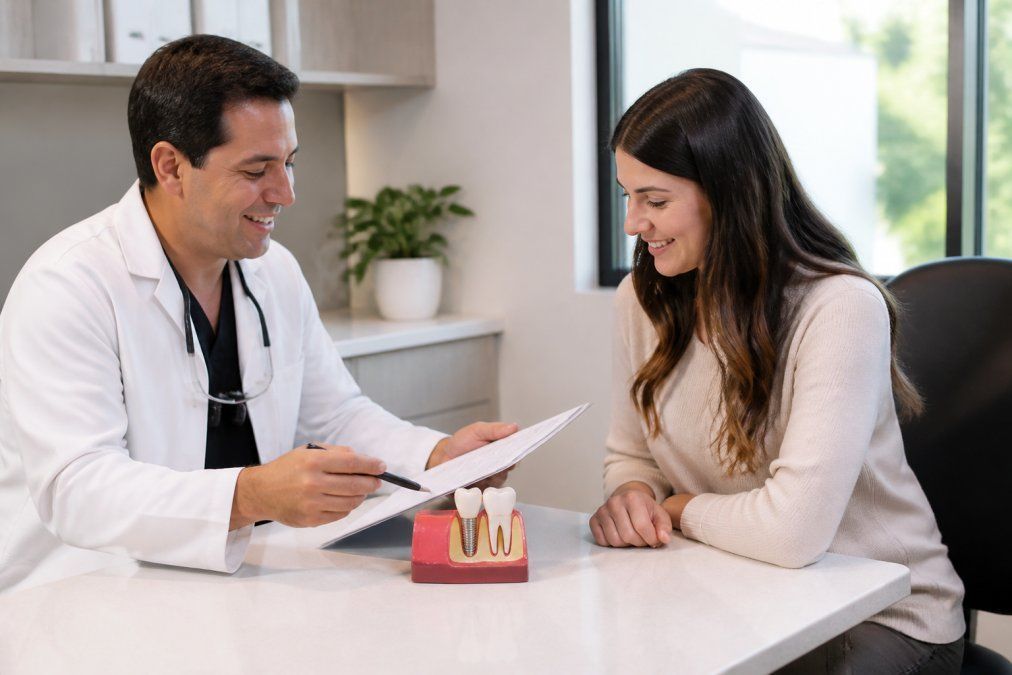
Dentist adjusting a custom oral appliance to show the benefits of oral appliances for sleep apnea in a patient.

Insurance Verification and Financial Planning. Before beginning oral appliance therapy, patients generally need a confirmed diagnosis of obstructive sleep apnea and a medical evaluation. Your sleep physician can help determine whether a sleep study is appropriate and discuss insurance coverage and treatment options. Sleep apnea treatment is often covered under medical insurance (not dental), so you may need to work with both your physician and dentist. Ask your insurance company about coverage, required documentation, out-of-pocket costs, prior authorization, and whether follow-up visits are covered. If your insurance denies coverage or you're uninsured, ask your dentist about payment plans or financing options.

Initial Examination and Sleep Study. Before your dentist recommends an oral appliance, you'll need a sleep study to confirm obstructive sleep apnea and measure severity. This polysomnography test can be done at a sleep lab or at home with a portable monitor. Bring your sleep study results to your dental consultation, your insurance will need this documentation.

Dental Impressions and Custom Fabrication. Your dentist takes detailed impressions or digital scans of your teeth and bite to create a custom appliance. The device is then fabricated and fitted in the office. These are sent to a lab where your custom device is fabricated, typically in 1-2 weeks. A dentist confirms insurance authorization before sending the order to avoid delays.

Fitting Appointment. When your appliance arrives, you'll return to the office for fitting.

Watch Out
Avoid the common mistake of giving up too soon. The first week of wearing an oral appliance can feel awkward, but persistence pays off. It may take some time to adjust to wearing an oral appliance. Mild jaw discomfort, excess saliva, or changes in bite can occur during the adjustment period. Follow-up visits allow your dentist to make appropriate adjustments. Most patients report that discomfort fades and they wouldn't consider going back to untreated sleep apnea.

Effectiveness and What to Expect Long-Term

Oral appliances have been shown to reduce sleep-disordered breathing and apnea events in many patients. Treatment response varies, which is why follow-up and objective sleep testing may be recommended to confirm effectiveness. Most patients see significant improvement in their apnea-hypopnea index (AHI), which measures how many breathing interruptions occur per hour of sleep.

  • Built-in sensors: Some oral appliances may include technology that tracks usage, depending on the device.. A dentist can download this data during your check-up visits.
  • Patient apps: Some oral appliances may include technology that tracks usage, depending on the device. A few manufacturers offer companion apps where you log your nightly use and note any discomfort or questions. This creates a record you can share with a dentist.
  • Telemedicine check-ins: Some practices now offer virtual follow-ups where you report your experience and a dentist reviews your compliance data remotely, reducing the need for frequent in-office visits.

Frequently Asked Questions

Are oral appliances effective for obstructive sleep apnea?

Yes. Oral appliances can be an effective treatment option for many adults with obstructive sleep apnea, particularly those who prefer an alternative to CPAP or have difficulty tolerating PAP therapy.

How do oral appliances compare to CPAP therapy?

Oral appliance therapy and CPAP both treat sleep apnea, but they work differently. CPAP delivers continuous air pressure through a mask, while oral appliances use jaw positioning to keep airways open. Many patients find oral appliances more comfortable for nightly use and easier to travel with. Your dentist or sleep specialist can help you decide which treatment aligns with your lifestyle and preferences.

What is the fitting process like for an oral appliance?

The fitting process typically begins with a dental examination and sleep study results. Your dentist takes impressions or digital scans of your mouth to create a custom-fitted device. After receiving your appliance, you'll have adjustment appointments to ensure proper fit and comfort. Titration appointments help your dentist gradually reposition your jaw to the therapeutic level. Most patients adapt within a few weeks of nightly use.

Who is a good candidate for oral appliance therapy?

Oral appliance therapy may be appropriate for adults with obstructive sleep apnea who prefer an alternative to CPAP or have difficulty tolerating PAP therapy. Suitability depends on the patient's sleep study, anatomy, medical history, and treatment goals.

How long does it take to adjust to wearing an oral appliance?

Most patients adjust within two to four weeks of consistent nightly use. Initial adjustment may include mild discomfort, excess saliva, or jaw soreness as your mouth adapts to the device. These effects typically diminish as you wear the appliance regularly. Follow-up appointments allow your dentist to make fine-tuning adjustments that improve comfort and effectiveness. Consistent use during the adjustment period helps speed up adaptation.

What are the potential side effects of oral appliances?

Common side effects include mild jaw discomfort, changes in bite, excess saliva, or dry mouth, particularly during the first few weeks. Most side effects resolve with time and proper adjustments. Rarely, some patients experience temporomandibular joint (TMJ) discomfort. Regular follow-up appointments with your dentist help monitor comfort and address any concerns. If side effects persist, your dentist can adjust the device or explore alternative treatments.

If you've been diagnosed with obstructive sleep apnea and are having difficulty with CPAP or are interested in an alternative treatment, oral appliance therapy may be an option. At Jonathan Arias DDS, we work closely with sleep physicians to provide customized oral appliance therapy and ongoing care.

By Jonathan Arias, DDS • October 5, 2026
Learn how to schedule an Invisalign consultation in Ventura. Understand what to expect, how to prepare, and what questions to ask your dentist.
By Jonathan Arias, DDS • September 30, 2026
Need urgent dental care? Learn how to find an emergency dentist in Ventura, what qualifies as a dental emergency, and what to do while you wait.
By Jonathan Arias, DDS • September 29, 2026
Dental implants ventura: Wondering about the cost of dental implants in Ventura? Learn what affects pricing, insurance coverage, financing.
A woman is sitting in a dental chair talking to a dentist.
May 15, 2025
Curious about how Invisalign works? Discover the science behind clear aligners, the history of the technology, and how Invisalign is transforming cosmetic dentistry in Ventura.
A dental office with a lot of dental chairs and equipment.
May 6, 2025
Visiting a Ventura family dentist for the first time? Learn what to expect during your initial appointment, from your dental exam and X-rays to comfort options and treatment planning.
Benefits of Sedation Dentistry for Special Needs Patients in Ventura
May 5, 2025
At Jonathan Arias DDS Family & Cosmetic Dentistry, we believe every patient—regardless of age, ability, or medical condition—deserves quality dental care in a safe and supportive environment
The Process of Sleep Dentistry: What to Expect at Your Ventura Dental Visit
May 5, 2025
If you’ve ever delayed or avoided a dental appointment due to fear, discomfort, or past trauma, you’re not alone. But with sleep dentistry, you can enjoy a calm, stress-free experience that helps you maintain your oral health without fear or pain.
Is Sleep Dentistry Right for You? Discover the Path to Anxiety-Free Dental Care in Ventura
May 5, 2025
How to Know if Sedation Dentistry Is the Solution You've Been Looking For If going to the dentist fills you with worry or fear, you're not alone. Many patients in Ventura and the surrounding areas delay dental visits due to dental anxiety , dental phobia , or negative past experiences. But there's good news: with modern sleep dentistry , you don’t have to choose between your comfort and your oral health. At Jonathan Arias DDS Family & Cosmetic Dentistry , we offer advanced sedation dental care that empowers even the most anxious patients to feel relaxed, safe, and pain-free during their appointments. But is sleep dentistry right for you? Let’s find out. What Is Sleep Dentistry? Sleep dentistry—also known as twilight dentistry or conscious sedation —uses medication to create a deeply relaxed, dreamlike state during dental procedures. While you're not fully asleep, you’ll feel like time has passed in an instant and you may remember very little afterward. This form of sedation dentistry is designed to make your experience as stress-free and painless as possible, no matter how complex the treatment may be. Top Signs You’re a Candidate for Sleep Dentistry Wondering whether you could benefit from sleep dentistry in Ventura ? Here are some common reasons patients choose this option: 1. You Have Dental Anxiety or Phobia If the thought of a dental visit makes your heart race or causes you to cancel appointments, you're a perfect candidate for anxiety-free dental care . Sedation helps you stay calm and relaxed before and during your procedure. 2. You Have a Low Pain Threshold or Sensitive Teeth Some patients experience extreme discomfort even with local anesthesia. Dental sedation allows your body to relax, making it easier to undergo treatment without stress or pain. 3. You’ve Had Traumatic Dental Experiences Negative past experiences can leave lasting fear. Sedation can help replace those memories with calm, gentle care from a provider who understands your concerns. 4. You Need Complex or Lengthy Treatment Whether you’re getting crowns, implants, or extractions, sleep dentistry makes it feel like the appointment flew by—and multiple treatments can be completed in fewer visits. 5. You Have a Strong Gag Reflex Some patients struggle with X-rays or dental tools triggering their gag reflex. Sedation relaxes the body and makes treatments more comfortable and efficient. 6. You’re a Special Needs Patient or Caregiver We offer sedation for special needs dental patients , making it easier to provide quality care in a calm, controlled environment. What to Expect During Your Sleep Dentistry Appointment At Dr. Arias’ Ventura office, we’ll first schedule a comprehensive consultation to assess your medical history and determine the safest sedation method for you. Depending on your case, we may recommend: Oral sedation (pill form) Conscious sedation (IV administered) Twilight dentistry (deep relaxation) General anesthesia dentistry (for specific medical needs) On the day of your visit, you’ll arrive with a trusted companion who can drive you home after treatment. You’ll be monitored the entire time by our experienced team to ensure your safety and comfort. Sedation Dentistry Cost: What You Need to Know Many patients are surprised to learn how affordable sedation dentistry cost can be—especially when it means preserving their health and avoiding more serious complications down the road. We accept all PPO insurance plans and offer special pricing for non-insured patients. Transparent quotes are always provided in advance. Your Painless Dentist Near Me in Ventura At Jonathan Arias DDS , we proudly serve patients in Ventura, Oxnard, Santa Paula, Ojai, and beyond with a full range of gentle dental care options. With over 29 years of experience and a commitment to modern technology and comfort, we’re here to support you at every stage of your oral health journey. 📍 Visit us at 10235 Telephone Rd, Suite A, Ventura, CA 📞 Call now: (805) 647-7606 📩 Or Request Your Appointment Online Let us help you rediscover a stress-free smile—with sleep dentistry near you that puts your comfort first.
Understanding the Different Levels of Dental Sedation
May 5, 2025
Dental visits shouldn’t be something you dread. Yet for many people in Ventura and nearby communities, dental anxiety or even dental phobia keeps them from getting the care they need.
dental anxietydental andental anxietyxiety
May 5, 2025
Experience Anxiety-Free Dental Care with Gentle Sedation Options in Ventura For many patients in Ventura and surrounding areas, visiting the dentist can bring feelings of fear, anxiety, or even panic. If that sounds familiar, you’re not alone—dental anxiety affects millions of people. Fortunately, sleep dentistry offers a safe and effective solution to help you relax and receive the care you need without stress. At Jonathan Arias DDS Family & Cosmetic Dentistry , we specialize in gentle dental care that makes your comfort our top priority. Whether you're dealing with dental phobia or simply feel nervous in the chair, sedation dentistry can transform your experience into one that’s calm, comfortable, and completely pain-free . What Is Sleep Dentistry? Sleep dentistry , also known as twilight dentistry or sedation dental care , uses carefully administered medications to help patients feel deeply relaxed, or even sleep—during their dental treatment. It’s commonly recommended for patients with severe dental anxiety , a strong gag reflex, or a fear of needles, and for those undergoing complex or lengthy procedures. At our Ventura office, we offer several levels of dental sedation , from oral sedation to conscious sedation , depending on your needs and comfort level. Each option is tailored to your specific medical history and treatment plan to ensure fear-free dental visits every time. Why Choose Sedation Dentistry? For patients struggling with dental phobia , sedation dentistry can be life-changing. Here’s how: Anxiety-Free Dental Care : Feel completely at ease from start to finish. Pain-Free Dental Treatments : Say goodbye to discomfort and sensitivity during procedures. Time Efficiency : Multiple procedures can be completed in a single visit. Improved Oral Health : When anxiety is no longer a barrier, patients are more likely to get the care they need. Our patients frequently tell us how relieved they feel after experiencing painless dental care —often wondering why they waited so long. Is Sleep Dentistry Right for You? You might be a candidate for sleep dentistry near me if: You experience moderate to severe dental anxiety or phobia You have a low pain threshold or sensitive teeth You require complex or multiple procedures in one appointment You’ve had traumatic dental experiences in the past You are seeking gentle dental care tailored to your emotional and physical needs Still not sure? We offer comprehensive consultations to determine whether sedation dentistry in Ventura is the best option for your unique situation. Special Benefits for Patients with Special Needs Patients with physical, developmental, or cognitive conditions often require extra support during dental visits. At Dr. Arias’ Ventura practice, sedation for special needs dental patients ensures a calm and safe environment for optimal treatment. Parents and caregivers often express gratitude for the compassionate care and gentle sedation options that make regular dental visits possible—even enjoyable—for their loved ones. How Much Does Sedation Dentistry Cost? We believe everyone deserves stress-free dental care , which is why we keep our sedation dentistry cost transparent and accessible. While prices vary depending on the type of sedation and length of the procedure, our office works with all PPO insurances and offers special promotions for non-insured patients. Choose a Trusted, Painless Dentist in Ventura If you’re searching for a painless dentist near me or need sleep dentistry in Ventura , look no further than Dr. Jonathan Arias DDS Family & Cosmetic Dentistry . With over 29 years of experience, we’ve helped countless patients overcome their fears and embrace a healthier smile. ✨ We welcome patients from Ventura, Oxnard, Saticoy, Santa Paula, Ojai, and Santa Barbara. Ready to Experience Fear-Free Dentistry? Call us today at (805) 647-7606 or Request Your Appointment Online to discover how sedation dentistry can help you enjoy better dental health—with zero stress attached.
More Posts