What to Expect During Your First Dental Exam
Table of Contents
- What Happens During Your First Dental Exam
- Dental X-rays on Your First Visit
- How Long Does a Dentist Appointment Take
- Professional Cleaning and Plaque Removal
- What to Bring to a Dentist Appointment
- Managing Anxiety if You're Nervous About Going to the Dentist
- What Happens After Your Exam
- Preparing for Your First Appointment
- Frequently Asked Questions
Last Updated: October 14, 2026
What Happens During Your First Dental Exam
Your first dental exam helps your dentist assess your oral health, identify concerns, and establish a plan for ongoing care. Knowing what to expect can make your visit feel more comfortable and help you prepare questions about your teeth, gums, and overall dental health.
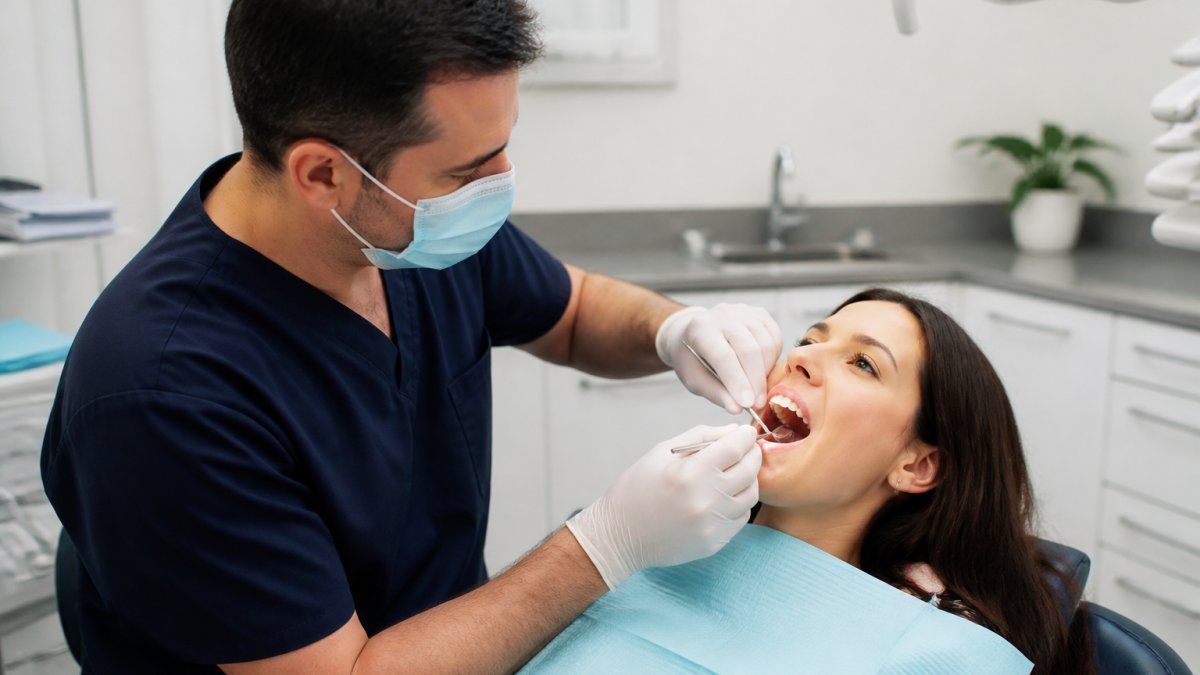
At Jonathan Arias DDS, we know many patients feel anxious about a first visit.
Medical and Dental History Review
Before the exam, your dentist reviews your medical and dental history to identify conditions, medications, or past experiences that could affect your care.
You'll be asked about past dental work, current concerns, medications, allergies, and any dental trauma or anxiety. These details shape how your dentist approaches your care.
Your dentist will also ask about your brushing and flossing habits and any concerns about your teeth or gums, which helps establish a baseline and spot areas where extra guidance could help.
Visual Examination and Oral Assessment
Once your history is complete, your dentist performs a careful visual examination of your mouth, teeth, and surrounding tissues. Using a small mirror and explorer, they inspect each tooth for decay, chips, or other abnormalities and assess existing dental work.
Your dentist will examine your teeth, gums, bite, and the soft tissues of your mouth. Depending on your needs, the examination may include an assessment for cavities, worn or damaged teeth, gum inflammation, and other oral health concerns. Your dentist may also perform an oral cancer screening as part of a comprehensive adult examination.
Gum Disease Screening
Your dental team evaluates your gums for signs of inflammation, bleeding, recession, and other periodontal concerns. When indicated, your dentist or hygienist may measure the spaces between your teeth and gums to assess periodontal health. These findings help determine whether routine preventive care or further periodontal evaluation is appropriate.
During this screening, your dentist looks for plaque and tartar along the gum line. Even with good brushing, tartar can build up and needs professional removal.
If gum disease is found, your dentist will explain what's happening and discuss treatment options. Early intervention can keep it from progressing and protect your teeth and bone.
Dental X-rays on Your First Visit
Dental X-rays show structures inside and around your teeth that a visual exam can't reveal, including the spaces between teeth, the roots below the gum line, and the supporting bone.
What X-rays can reveal
- Decay between teeth , including early cavities that haven't yet broken through the surface
- Bone loss around the roots, which is a key sign of gum disease
- Infections and abscesses at the tip of a root
Types of images a dentist may recommend
Different images answer different questions. A dentist may recommend one or more of the following:
- Bitewing X-rays , small images that show the crowns of your back teeth and the bone between them. These are the most common images used to check for cavities between teeth and early bone loss.
- Periapical X-rays , a close-up of one or two teeth from crown to root tip. These are often used when a specific tooth is causing symptoms or needs a closer look.
- Panoramic X-ray , a single image that captures the entire upper and lower jaw, all the teeth, and the surrounding structures. It's useful for seeing wisdom teeth, jaw relationships, and the overall layout of your mouth.
Why the recommendation varies from person to person
No single schedule fits everyone. A dentist weighs several factors when deciding whether X-rays are needed and which ones:
- Your age and stage of dental development , children and teens often need images more frequently because their teeth and jaws are changing.
- Your risk of decay or gum disease , a history of cavities, gum disease, dry mouth, or certain medications can raise risk and change the interval.
- Symptoms you're having , pain, swelling, or a broken tooth usually calls for targeted imaging right away.
The right interval for you is a decision your dentist makes after examining your mouth and reviewing your history. If you're unsure why an image is recommended, ask what the dentist is looking for and how the result will change your care.
Safety and radiation
Dental imaging uses a very small amount of radiation, and modern equipment keeps exposure as low as reasonably achievable. Standard precautions include:
- A lead apron over your chest and lap, and sometimes a thyroid collar
- Fast digital sensors that require shorter exposure times than older film
- Limiting images to those that are clinically useful , rather than taking a fixed set every time
If you are pregnant or think you might be, tell your dentist before any images are taken. Routine imaging can often be postponed until after pregnancy, and when images are needed, extra steps can minimize exposure. This is a conversation to have with your dentist and, if you wish, your prenatal care provider.
Questions worth asking
- Which images are you recommending, and what are you looking for?
- Are these images needed today, or can any wait?
- Can you review X-rays I had taken recently elsewhere?
There's no harm in asking. A good answer will connect the image to a specific clinical question about your teeth, gums, or jaw.
How Long Does a Dentist Appointment Take
Your first dental appointment typically lasts 45 minutes to an hour, though the exact time depends on your needs. If findings require discussion or your history is complex, it may run longer.
The breakdown generally looks like this:
| Component |
Approximate Time |
|---|---|
| Medical and dental history review |
10-15 minutes |
| Visual examination and assessment |
10-15 minutes |
| Gum disease screening |
5-10 minutes |
| X-rays (if needed) |
5-10 minutes |
| Professional cleaning |
15-20 minutes |
| Discussion of findings and treatment plan |
10-15 minutes |
The length of your first dental appointment varies depending on your oral health, medical and dental history, the examinations or imaging needed, and whether a cleaning or additional treatment is scheduled. Your dental team can provide a more accurate estimate when you book.
Arriving 10-15 minutes early to complete paperwork helps keep your appointment on schedule. If you have a complex history or significant anxiety, let the office know when you book so they can set aside enough time.
Professional Cleaning and Plaque Removal
If a cleaning is appropriate and scheduled for your visit, your dental hygienist will assess your needs and remove plaque and hardened deposits as indicated. The type of cleaning recommended depends on your gum health and the findings of your examination. Some patients may need additional periodontal treatment rather than a routine preventive cleaning.
The hygienist uses specialized instruments, including ultrasonic scalers and hand instruments, to gently remove buildup.
Cleaning also includes polishing with a gritty paste that removes surface stains and leaves teeth smooth, helping prevent future plaque buildup.
What to Bring to a Dentist Appointment
Preparing for your first dental visit means gathering the right documents and information. Bring:
- Photo identification and insurance card : Your dentist needs to verify your identity and insurance coverage for billing purposes.
- Medical history information : If you have a list of current medications, allergies, or past medical conditions, bring it along. This helps your dentist understand your complete health picture.
- Previous dental records : If you've been to another dentist, request those records be sent to your new practice. This gives your dentist context about your dental history and previous treatments.
Many dental practices now allow you to complete your health history online before your appointment, which saves time during your visit.
Managing Anxiety if You're Nervous About Going to the Dentist
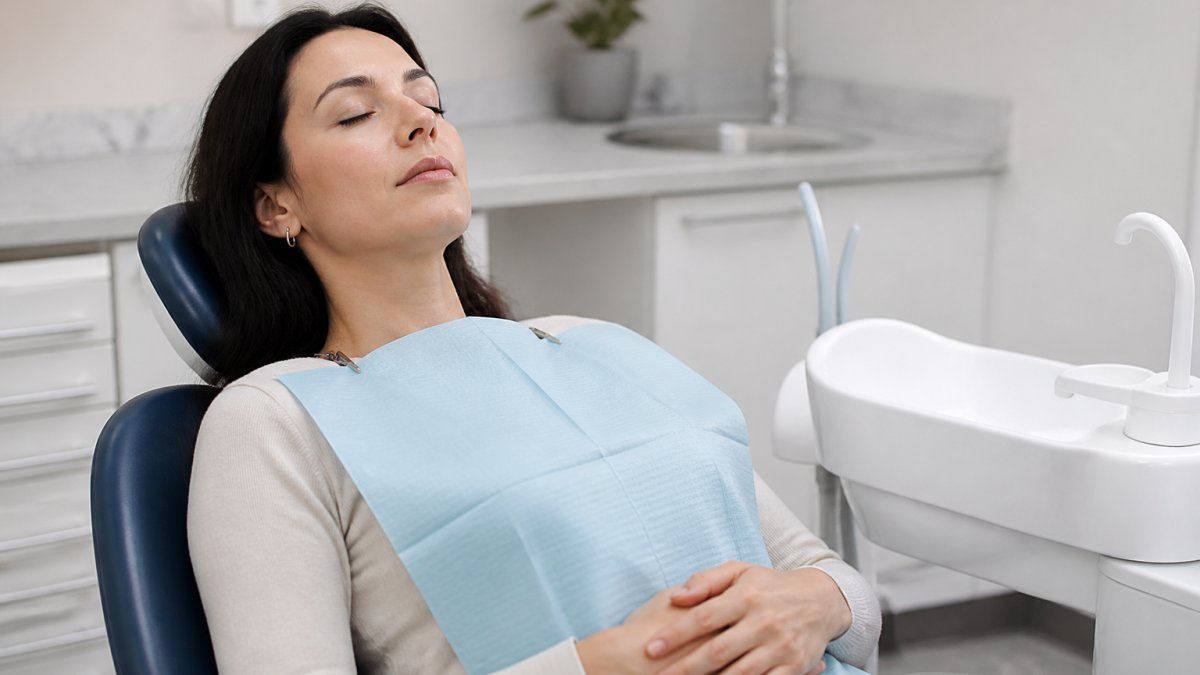
Dental anxiety is common and shows up differently for everyone, from a knot in the stomach the night before to a racing heart in the waiting room or a strong gag reflex. None of it is unusual, and none of it means you can't have a comfortable visit.
If you feel nervous about dental care, let the team know before your appointment. Discussing your concerns in advance can help your dentist explain the examination, review available comfort measures, and work with you at a pace that feels manageable. If you have significant dental anxiety, ask about the options available for your situation.
Tell the office before your appointment
A short call or note when you book can change the whole experience. Useful things to mention:
- What specifically makes you anxious , the sound of the drill, the smell of the office, being reclined, having instruments in your mouth, or not knowing what's coming next.
- Past experiences that were difficult, including any that felt rushed or painful.
- Physical needs , a bad back, neck, or hip that makes lying flat uncomfortable; a need for extra pillows or a shorter time in the chair; trouble with a numb lip or jaw after past appointments.
You don't need to justify any of this. The goal is simply to give the team enough information to plan your visit well.
Practical things that help during the visit
- Agree on a stop signal. A raised hand, a tap on the chair, or a squeeze of a stress ball lets you pause without having to talk around instruments. Ask for this at the start.
- Ask for a walk-through. Many people feel calmer when they know the order of events: history, exam, X-rays if needed, cleaning, and a discussion at the end.
- Bring headphones. Music, a podcast, or an audiobook can mask office sounds and give you something else to focus on.
If you have a strong gag reflex
A sensitive gag reflex is a common reason people avoid the dentist, and it's manageable with a few adjustments. Tell your hygienist or dentist before the exam begins. Techniques that often help include:
- Sitting more upright rather than fully reclined
- Taking slow breaths through the nose
- Using a smaller X-ray sensor or a different imaging approach
If you have mobility or accessibility needs
Let the office know in advance if you use a wheelchair, walker, or mobility aid, or if transferring to the dental chair is difficult. Many offices can arrange extra time, staff assistance, or a transfer technique that works for you. If a caregiver usually helps with transfers, mention that when you book.
If you're bringing a child or a patient with sensory needs
Children and adults with autism, ADHD, or other sensory-processing differences often do best with a preview of what's coming. A few things that help:
- Ask whether a pre-visit tour is possible, so the room and chair aren't unfamiliar on the day of the exam.
- Bring a visual schedule or a short written list of what will happen, in order.
- Pack noise-reducing headphones , sunglasses for the overhead light, and a preferred comfort item.
At Jonathan Arias DDS, we take time with patients who feel nervous about dental visits. If you'd like to talk through your concerns before booking, reach out to our Ventura office, we're glad to answer questions and help you plan a visit that feels manageable.
What Happens After Your Exam
After your examination, your dentist will review the findings, answer your questions, and explain any recommended preventive care or treatment. If concerns are identified, your dentist will discuss the available options, their purpose, and the appropriate next steps. Recommendations will depend on your individual clinical findings.
Your dentist may recommend a treatment plan outlining procedures, timing, and what to expect.
If no problems are found, your dentist will still offer guidance on brushing, flossing, and regular check-ups, and can discuss cosmetic options if you're interested.
Preparing for Your First Appointment
A few simple steps can help you get the most out of your first dental visit.
Get a good night's sleep so you're relaxed, and eat a light meal beforehand to avoid feeling lightheaded, steering clear of sticky foods that might get stuck in your teeth.
Wear comfortable clothing and arrive 10-15 minutes early to check in, complete paperwork, and settle in before your exam begins.
If you have dental anxiety, specific symptoms, accessibility needs, or questions about insurance and appointment timing, let the office know when scheduling so the team can help you prepare.
Your first dental exam is an important step toward good oral health habits and finding a dentist you trust. If you're ready to schedule your first appointment or have questions about what to expect, contact our Ventura office today.
Frequently Asked Questions
What should I bring to my first dental appointment?
Bring a valid photo ID, your insurance card (if you have dental coverage), and any medical records from previous dentists if available. Previous dental records are helpful if available, not mandatory. Write down any current medications or health conditions you take, as your dentist will ask about these during your medical history review. Arrive 10-15 minutes early to allow time for check-in paperwork.
Will I get X-rays during my first dental exam?
Not every patient needs X-rays at every visit. Your dentist will consider your dental and medical history, examination findings, symptoms, and any previous images to determine whether new X-rays are needed and which images would be useful.
How long does a first dental appointment usually take?
Appointment length varies depending on your needs, the examination and imaging required, and whether a cleaning or additional treatment is scheduled. Ask the office for an estimate when booking your visit.
What can a dentist tell by looking in your mouth?
During your oral examination, your dentist can identify cavities, tooth decay, gum disease, signs of oral cancer, bite problems, and wear patterns on your teeth. They also assess the health of your gums, tongue, jaw, and soft tissues. These findings help your dentist create a personalized treatment plan and give you recommendations for improving your oral health.
Does a first dental exam include a cleaning?
Most first dental exams include a professional cleaning performed by a dental hygienist. This removes plaque and tartar buildup from your teeth and gum line. However, if significant gum disease or other issues are found, your dentist may recommend a different approach or schedule a separate appointment for deep cleaning.
What if my dentist finds a problem during my first exam?
If your dentist identifies cavities, gum disease, or other issues, they will discuss their findings with you and explain your treatment options. They may recommend procedures such as fillings, root canals, extractions, or other restorative treatments depending on your individual needs. Your dentist will work with you to create a treatment plan and answer any questions you have.
How can I manage dental anxiety before my first appointment?
Talk to your dentist about your anxiety before your appointment so they can accommodate your needs. Practice relaxation techniques like deep breathing, and bring headphones or ask if you can listen to music during your visit. Let your dentist know if you need breaks during the exam. Many patients find that a positive first experience with a caring dentist helps reduce anxiety for future visits.