How to Find an Emergency Dentist in Ventura
Table of Contents
- When to Seek Emergency Medical Care
- What Qualifies as a Dental Emergency
- Urgent Dental Treatment vs Emergency Room
- How to Handle a Knocked-Out Tooth
- Steps to Find an Emergency Dentist in Ventura
- What to Do While Waiting for Dental Care
- What to Expect at Your Emergency Dental Visit
- After-Hours Care and Planning Ahead
- Frequently Asked Questions
Last Updated: September 30, 2026
When to Seek Emergency Medical Care
Seek emergency medical care immediately if you have difficulty breathing or swallowing, rapidly spreading swelling of the face or neck, or severe bleeding that will not stop. Call 911 if symptoms are life-threatening. For severe tooth pain, a dental abscess, or a knocked-out or badly damaged tooth without these medical warning signs, contact a dentist promptly for instructions.
What Qualifies as a Dental Emergency
Dental problems can happen unexpectedly, and it is not always easy to know whether you need immediate care or can wait for a regular appointment. This guide explains common dental emergencies, what you can do while arranging care, and when symptoms may require a visit to a hospital emergency department. If you need dental care in Ventura, knowing your options can help you take the next step with confidence.
Signs You Need Immediate Attention
Call a dental office the same day if you notice any of these:
- Severe toothache that keeps you awake
- Swelling in your face, jaw, or neck
- A tooth that's been knocked out or pushed out of place
- Heavy bleeding from the mouth that won't stop
- A broken or cracked tooth with exposed nerve
- A loose adult tooth
- Pus or a bad taste near a tooth
Symptoms That Can Wait for a Regular Appointment
Not every problem needs same-day care. These can usually wait a few days:
- A small chip with no pain
- A lost filling with mild sensitivity
- A dull ache that comes and goes
- A crown that came loose but isn't painful
- Minor gum tenderness
Urgent Dental Treatment vs Emergency Room
An emergency room treats life-threatening conditions. A dentist treats teeth. For most dental problems, a dental office is the right call.
When a Hospital Visit Is the Right Call
Go to the ER or call 911 if you have:
- Trouble breathing or swallowing
- Swelling that's closing your eye
- A suspected broken jaw
- Uncontrolled bleeding
- A head injury along with dental trauma
- A high fever with facial swelling
How to Handle a Knocked-Out Tooth
A knocked-out permanent tooth needs immediate dental attention. Pick up the tooth by the crown, not the root. If it is dirty, gently rinse it with milk or saline without scrubbing or removing attached tissue. If possible, gently place the tooth back into its socket without forcing it. Otherwise, keep it moist in milk or a tooth-preservation solution and contact a dentist immediately. Do not let the tooth dry out. These instructions do not apply to baby teeth; never try to reinsert a knocked-out baby tooth.
Steps to Find an Emergency Dentist in Ventura
The fastest way to find an emergency dentist in Ventura is to call your regular dental office first, even after hours. Many practices have an on-call line or hold same-day openings for urgent cases. If you don't have a regular dentist, work through this list in order:

- If you need an emergency dentist in Ventura, contact Jonathan Arias DDS as soon as possible. We will review your symptoms and let you know what appointment options are available.
- Ask whether the office offers after-hours or on-call service.
- Confirm they can handle your specific problem, an extraction, a root canal, a reimplant, before you commit to driving over.
- Ask about current wait time and whether you should come in now or later today.
- Have your insurance card, photo ID, and a list of medications ready.
The First 60 Minutes: Triage Before You Call
Most guides jump straight to booking. But what you do in the first hour often decides whether a tooth can be saved. Work through these steps while you're dialing:
- Knocked-out adult tooth: Pick it up by the crown, not the root. Rinse gently with milk or saline, don't scrub. Try to reinsert it and bite down on a clean cloth. If you can't, keep it in a cup of milk or saliva. Call immediately; the first 30 minutes matter most.
- Broken or cracked tooth: Save any fragments in milk or saliva. Rinse your mouth with warm salt water. Cover a sharp edge with dental wax or sugar-free gum if it's cutting your cheek.
- Severe toothache: Rinse with warm salt water, floss gently around the tooth in case something is lodged, and take an over-the-counter pain reliever as directed on the label. Don't place aspirin directly on the gum.
- Swelling in the face or jaw: Apply a cold pack to the outside of your cheek for 15 minutes at a time. Call right away, swelling that spreads toward your eye or throat needs urgent care.
- Bleeding that won't stop: Bite down on clean gauze or a tea bag for 15-20 minutes without checking. If bleeding continues past 20 minutes, call 911 or go to the ER.
What to Have Ready When You Call
Have these details ready so the office can help you faster:
- What happened and when
- Your pain level, from 1 to 10
- Any swelling, bleeding, or fever
- Your dental insurance information
- A list of medicines you take
- Your best callback number
If You Can't Drive Yourself
Severe dental pain, swelling, or pain medication can make driving unsafe. If you're not able to drive, ask a friend, family member, or rideshare service to take you. If you're calling from outside the area, ask the office for directions and parking details before you leave so you're not circling the block in pain.
What to Do While Waiting for Dental Care
- For a toothache, gently rinse your mouth with warm water and use dental floss carefully if food may be trapped.
- For swelling, apply a cold pack to the outside of your cheek.
- For a broken tooth, save any fragments if possible and avoid chewing on the affected side.
- For bleeding, apply gentle, steady pressure with clean gauze.
- Use over-the-counter pain medication only as directed on its label and if it is safe for you.
These steps may provide temporary relief but do not replace professional evaluation. Contact a dentist promptly for severe pain, swelling, or dental trauma.
Never ignore spreading swelling or a fever. Those are signs the infection is moving, and that's when a dental problem becomes a medical one.
What to Expect at Your Emergency Dental Visit
Your visit starts with an exam and often an X-ray to see what's happening under the surface. The dentist will explain what they find and walk you through your options.
Depending on the problem, treatment may include:
- A filling or crown for a broken tooth
- Root canal therapy for an infected tooth
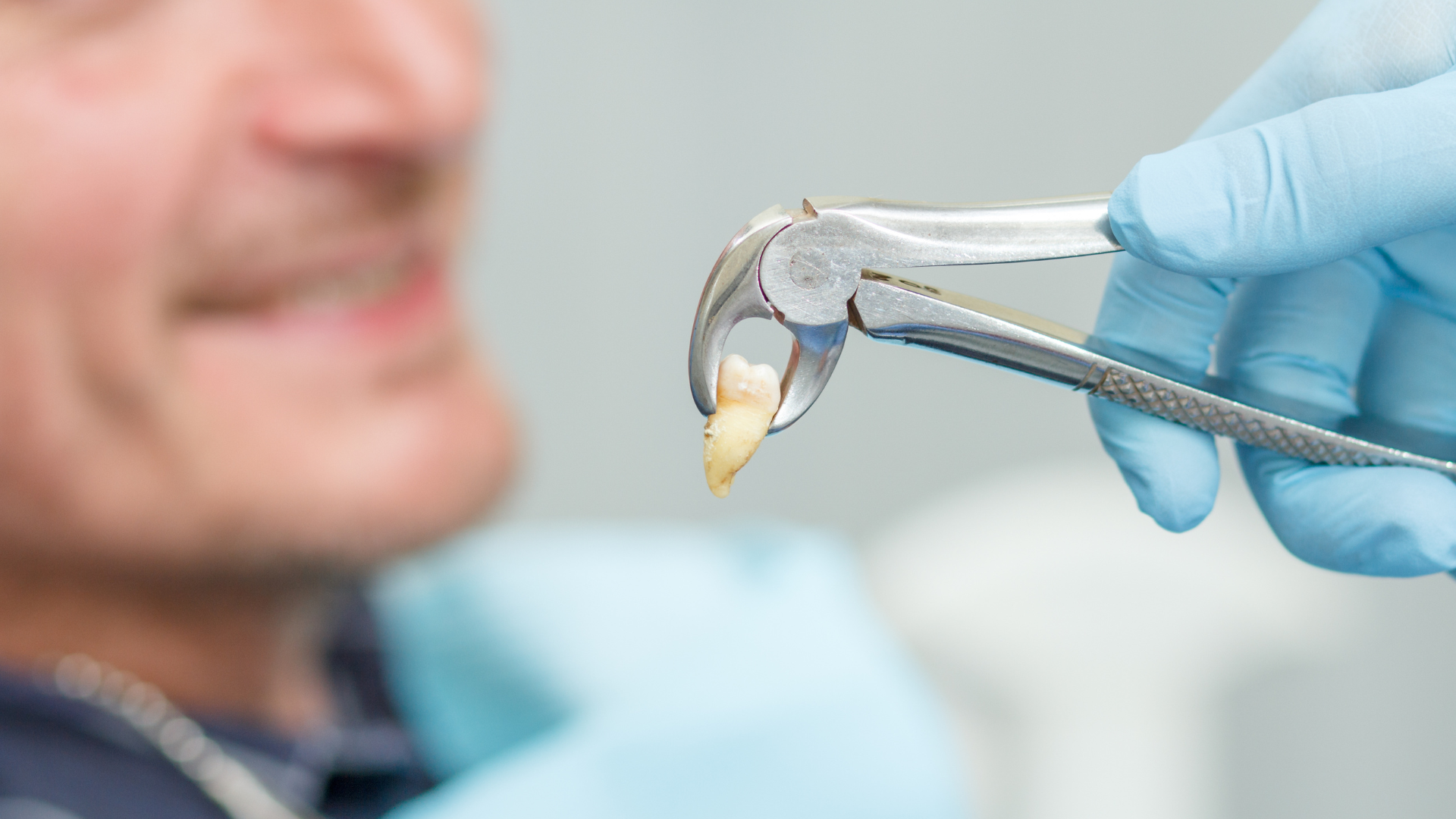
- An emergency extraction if a tooth can't be saved
- Draining an abscess
- Reimplanting or splinting a loose tooth
After-Hours Care and Planning Ahead
Most dental emergencies happen at the worst time, at night, on a weekend, or during a holiday. Planning ahead makes those moments far less stressful, and knowing what to do after your visit matters just as much as getting in.
Planning Ahead So You're Not Scrambling
A few simple steps help:
- Save your dentist's number in your phone under a name you'll find fast.
- Ask your dental office about after-hours service before you need it, not during a crisis.
- Keep a small dental first-aid kit at home: gauze, a small container with a lid, saline or milk, dental wax, and a cold pack.
- Know where your nearest urgent care is for non-dental issues.
- Keep a current list of your medications and allergies somewhere you can grab it quickly.
If you're looking for a long-term dental home in Ventura, choosing a practice now means you'll have someone to call later. Jonathan Arias DDS welcomes new patients and works with many major dental insurance plans. If you're unsure what your plan covers, our team can help you understand your benefits before treatment.
Post-Emergency Care: What to Do After Your Visit
What you do in the days after an emergency visit often affects how well you heal. General guidance, always follow the specific instructions your dentist gives you:
- Take medications exactly as prescribed. Finish antibiotics even if you feel better.
- Use cold packs for the first 24 hours to reduce swelling, then switch to warm compresses if your dentist recommends it.
- Eat soft, cool foods for the first day or two. Avoid very hot, very cold, crunchy, or sticky foods.
- Skip straws after an extraction, suction can dislodge a clot and cause dry socket.
- Don't smoke or vape during healing; it slows recovery and raises the risk of complications.
- Keep the area clean by rinsing gently with warm salt water starting the day after your visit, unless told otherwise.
- Sleep with your head slightly raised if swelling is present.
A Simple Checklist to Keep Handy
Before you leave the office, make sure you can answer these:
- What was done today, and what is the expected healing timeline?
- What medications should I take, and for how long?
- What foods and activities should I avoid, and for how long?
- What warning signs mean I should call back?
- When is my follow-up appointment, and do I need one at all?
Frequently Asked Questions
What qualifies as a dental emergency?
A dental emergency is any condition needing prompt attention to stop severe pain, save a tooth, or prevent a spreading infection. Common examples include a knocked-out tooth, a cracked or broken tooth with exposed nerve, an abscessed tooth with facial swelling, uncontrolled bleeding, or a lost crown or filling that leaves the tooth sensitive. If you have trouble breathing or swallowing, or swelling that reaches your eye or neck, seek hospital care immediately. If you need an emergency dentist in Ventura, contact Jonathan Arias DDS as soon as possible. We will review your symptoms and let you know what appointment options are available.
Will the ER do anything for dental pain?
An emergency room can address life-threatening symptoms such as severe swelling, difficulty breathing, or uncontrolled bleeding, and may provide pain relief or antibiotics. However, most ERs do not have dentists on staff and cannot perform procedures like root canal therapy or an emergency extraction. For a severe toothache, abscessed tooth, or dental trauma, calling a dental office that offers urgent dental care is usually the faster path to resolving the source of the problem.
How quickly should I seek treatment for a knocked-out tooth?
A knocked-out permanent tooth has the best chance of being saved if it is reimplanted within about 30 minutes to an hour. Handle the tooth by the crown, not the root, rinse it gently with milk or saline if dirty, and try to place it back in the socket. If that is not possible, keep it in milk or saliva and call an emergency dentist right away. Do not scrub the root or let the tooth dry out.
What information should I have ready when calling an emergency dentist?
Have your name, contact number, and a brief description of the problem ready. Note when the symptoms started, whether there was an injury, your pain level, any swelling, and whether you have a fever. Mention any medications you take, allergies, and your dental insurance details. This helps the office triage your situation and schedule the right amount of time. If you are a new patient, ask what to bring and whether they can see you the same day.