Sleep Apnea Treatment: Oral Appliance Therapy in Ventura County
Table of Contents
- Why Sleep Apnea Matters and When to See a Dentist
- What Type of Dentist Treats Sleep Apnea?
- How Oral Appliance Therapy Works for Sleep Apnea
- Questions to Ask During Your Sleep Apnea Dentist Consultation
- Finding a Sleep Apnea Dentist Near You in Ventura County
- Sleep Apnea Treatment Follow-Up and Ongoing Care
- Taking the First Step Toward Better Sleep
- Taking the First Step Toward Better Sleep
- Frequently Asked Questions
Last Updated: October 11, 2026
Sleep Apnea Dentist in Ventura County: Understanding Oral Appliance Therapy
Sleep apnea can affect your sleep quality, energy levels, concentration, and overall health. If you have been diagnosed with obstructive sleep apnea (OSA), or your doctor suspects you may have it, finding an experienced dentist who provides oral appliance therapy may be an important step in your treatment.
At Jonathan Arias, DDS, we help patients in Ventura County explore custom oral appliance therapy as one option for managing obstructive sleep apnea. By working with your sleep physician, we aim to provide personalized dental care that supports your overall treatment plan.
If you are looking for a sleep apnea dentist in Ventura County, understanding how oral appliance therapy works, who may benefit from it, and what to expect during treatment can help you make an informed decision.
Why Sleep Apnea Matters and When to See a Dentist
Obstructive sleep apnea occurs when the airway repeatedly becomes partially or completely blocked during sleep. These interruptions can reduce oxygen levels and disrupt normal sleep patterns, sometimes many times throughout the night.
Common symptoms may include:
- Loud or frequent snoring
- Pauses in breathing during sleep reported by a partner
- Waking up gasping or choking
- Excessive daytime sleepiness
- Morning headaches
- Difficulty concentrating
- Feeling tired even after a full night in bed
Untreated sleep apnea may contribute to serious health concerns, including high blood pressure and cardiovascular problems. If you experience symptoms of sleep apnea, speak with your physician about an appropriate evaluation.
How a Dentist Can Help With Sleep Apnea
Although dentists can screen for signs and symptoms of sleep apnea, a physician or qualified sleep specialist must establish the diagnosis through an appropriate medical evaluation and sleep testing.
After a diagnosis, your physician may discuss treatment options such as continuous positive airway pressure (CPAP), oral appliance therapy, or other approaches based on your individual needs.
A dentist trained in dental sleep medicine can evaluate your oral health and determine whether a custom oral appliance may be appropriate. Your dentist also works with your sleep physician to coordinate treatment and arrange follow-up care.
What Type of Dentist Treats Sleep Apnea?
Not every dentist provides sleep apnea treatment. When searching for a dentist for sleep apnea, look for someone with specific education and clinical experience in dental sleep medicine and custom oral appliance therapy.
Consider asking about the following qualifications:
- Training in dental sleep medicine: Ask about continuing education and clinical training related to obstructive sleep apnea and oral appliance therapy.
- Experience with oral appliances: Find out how frequently the dentist treats patients with sleep apnea and fits custom appliances.
- Coordination with physicians: A qualified provider should understand the importance of communicating with your sleep physician.
- Knowledge of bite and jaw health: Oral appliances can affect your teeth, bite, and jaw joints, making dental monitoring important.
- Commitment to follow-up care: Treatment should include adjustments, monitoring, and communication with your medical team as appropriate.
During your consultation, ask how the dentist evaluates candidates, selects an appliance, manages potential side effects, and coordinates follow-up testing.
The goal is to find a provider who understands both the dental considerations and the medical importance of treating sleep apnea.
How Oral Appliance Therapy Works for Sleep Apnea
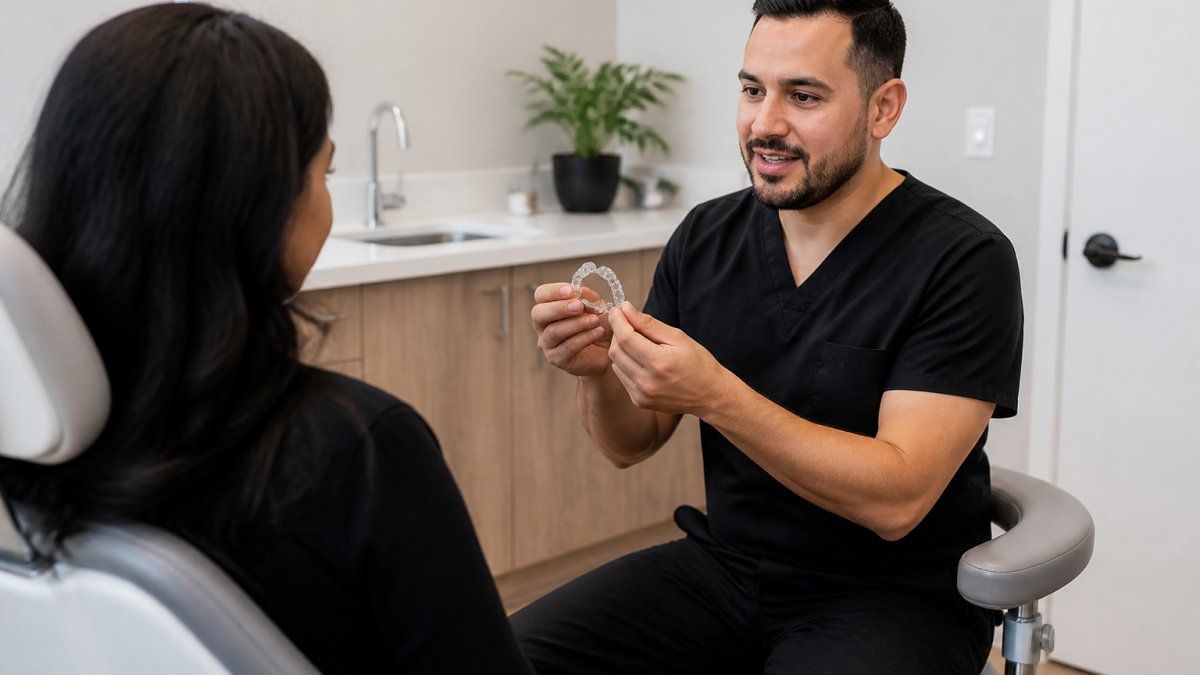
Oral appliance therapy uses a custom-made device worn during sleep to help keep the airway open. One commonly used type is a mandibular advancement device (MAD), which gently positions the lower jaw forward to help reduce airway obstruction.
By changing the position of the jaw and surrounding tissues, an oral appliance may help reduce breathing interruptions associated with obstructive sleep apnea.
What Happens During the Fitting Process?
Treatment generally involves several steps:
1. Review of your diagnosis and medical information
Your dentist reviews relevant information from your sleep physician, including your sleep study results, medical history, and current treatment plan. This information helps determine whether oral appliance therapy may be appropriate.
2. Dental examination
Your dentist evaluates your teeth, gums, bite, jaw joints, and other factors that may affect appliance selection and treatment.
3. Custom appliance fabrication
If you are a suitable candidate, dental records or digital scans are used to create an appliance designed for your mouth.
4. Delivery and adjustment
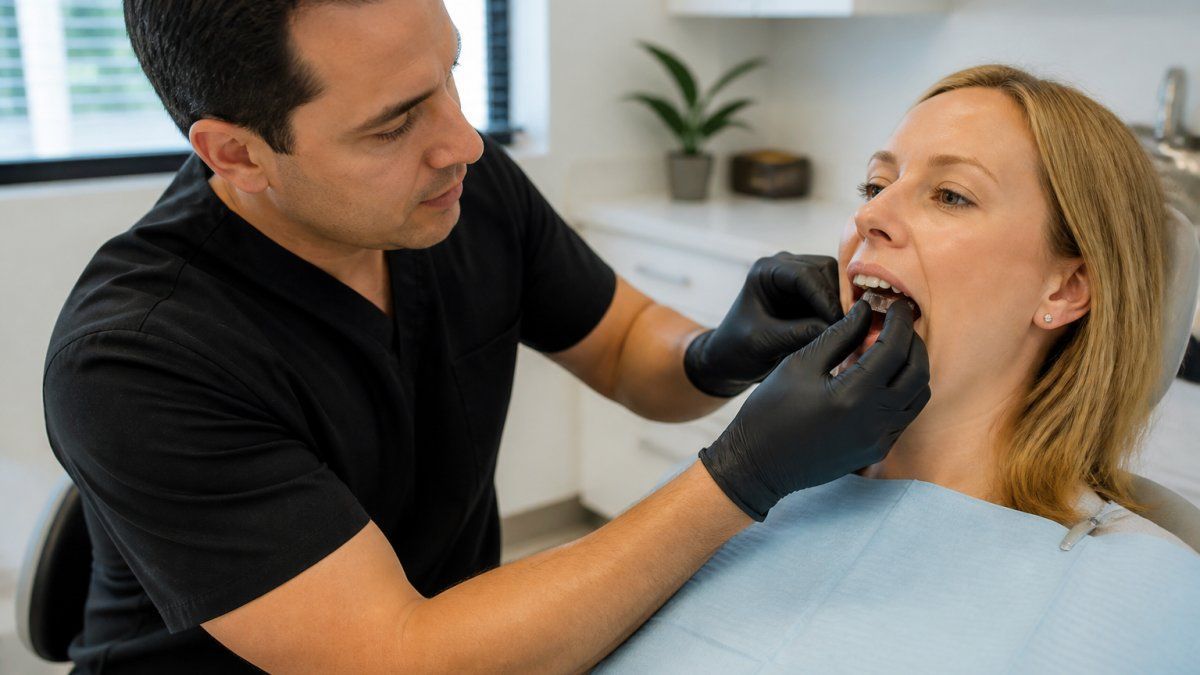
Once the appliance is ready, your dentist provides instructions for use and makes adjustments as needed. The goal is to achieve an appropriate fit and jaw position while addressing comfort and treatment needs.
5. Follow-up and effectiveness testing
Follow-up visits help monitor your comfort, dental health, and progress. Your sleep physician may recommend repeat sleep testing to determine how effectively the appliance is managing your sleep apnea.
Is Oral Appliance Therapy an Alternative to CPAP?
For some patients, oral appliance therapy may be an alternative to CPAP. CPAP uses air pressure delivered through a mask to help keep the airway open, while an oral appliance works by repositioning the jaw or related oral structures.
Oral appliances are generally compact, portable, and do not require a bedside machine. Some patients find them more convenient for travel or easier to incorporate into their nightly routine.
However, the best treatment depends on your diagnosis, severity of sleep apnea, anatomy, medical history, and ability to use the treatment consistently.
CPAP may be the preferred option for many patients, particularly those with more severe disease. An oral appliance may be considered when appropriate based on clinical guidelines, patient preferences, and consultation with the treating physician.
Neither treatment should be assumed to work equally well for everyone. Your physician and dentist can help you understand the benefits, limitations, and appropriate monitoring for your situation.
Questions to Ask During Your Sleep Apnea Dentist Consultation
Choosing a provider is an important part of your treatment. Preparing a few questions can help you understand the process and decide whether the office is a good fit for your needs.
Questions About Experience and Training
- What training have you completed in dental sleep medicine?
- How frequently do you treat patients with obstructive sleep apnea?
- What types of oral appliances do you provide?
- How do you coordinate care with sleep physicians?
Questions About Treatment
- Based on my sleep study and dental examination, might I be a candidate for oral appliance therapy?
- What type of appliance do you recommend, and why?
- What side effects or limitations should I understand?
- How will you evaluate whether the appliance is working?
Questions About Follow-Up Care
- How many follow-up visits should I expect?
- How are adjustments handled if the appliance feels uncomfortable?
- Will I need another sleep study after treatment begins?
- How will my dentist and sleep physician communicate about my progress?
Questions About Cost and Insurance
- What is the estimated cost of treatment?
- Can your office help verify my insurance benefits?
- Is prior authorization or a physician's prescription required?
- What costs might I be responsible for if my insurance does not cover treatment?
A qualified provider should be willing to explain the treatment process, discuss reasonable expectations, and answer your questions without promising guaranteed results.
Finding a Sleep Apnea Dentist Near You in Ventura County
If you are searching online for a sleep apnea dentist near you, start by asking your primary care physician or sleep specialist for recommendations. Your physician may be familiar with dental providers who have experience coordinating oral appliance therapy.
You can also look for dentists who specifically mention dental sleep medicine or oral appliance therapy on their websites.
When comparing providers, consider these factors:
- Relevant education and clinical experience
- A clear process for reviewing your sleep study and medical history
- Communication with your sleep physician
- A thorough dental examination before treatment
- Clear explanations of costs, insurance, and treatment expectations
- A defined plan for follow-up visits and effectiveness testing
Be cautious of providers who promise to cure sleep apnea, offer treatment without appropriate medical diagnosis, or do not discuss ongoing monitoring.
Sleep Apnea Treatment in Ventura County
At Jonathan Arias, DDS, we help patients in Ventura and surrounding Ventura County communities explore oral appliance therapy as part of a coordinated approach to obstructive sleep apnea care.
We recognize that every patient has different needs, concerns, and treatment considerations. Our approach begins with understanding your dental health, reviewing relevant medical information, and determining whether an oral appliance may be an appropriate option.
When indicated, we work with your sleep physician to support coordinated care and appropriate follow-up.
If you have already been diagnosed with obstructive sleep apnea and would like to learn more about oral appliance therapy, contact our office to discuss your options.
Sleep Apnea Treatment Follow-Up and Ongoing Care
Receiving a custom oral appliance is only one part of treatment. Follow-up care is important for evaluating fit, monitoring dental health, and assessing whether the appliance is helping manage your sleep apnea.
Your follow-up schedule will depend on your individual treatment plan. Early visits may focus on comfort and adjustments, while later visits may assess long-term use and dental changes.
During follow-up appointments, your dentist may evaluate:
- Appliance fit and condition
- Comfort and ability to wear the device consistently
- Changes in your bite or tooth position
- Jaw discomfort or other potential side effects
- Questions or concerns about daily use
Your sleep physician remains an important part of your care. Symptom improvement alone does not necessarily mean sleep apnea is adequately controlled. Your physician may recommend objective follow-up testing to assess treatment effectiveness and determine whether further changes are needed.
Regular follow-up can help identify problems early and support continued use of the appliance when it is appropriate for you.
Taking the First Step Toward Better Sleep
If you have symptoms of sleep apnea, start by discussing them with your physician or a qualified sleep specialist. If you have already received a diagnosis of obstructive sleep apnea, ask whether oral appliance therapy may be appropriate for your situation.
A dentist with training in dental sleep medicine can evaluate your oral health, discuss custom appliance options, and coordinate care with your sleep physician.
At Jonathan Arias, DDS, we help patients in Ventura County explore oral appliance therapy and understand what treatment may involve. Our goal is to provide clear information, individualized dental care, and appropriate follow-up as part of your overall sleep apnea treatment plan.
Contact Jonathan Arias, DDS, to learn more about oral appliance therapy and schedule a consultation.
Taking the First Step Toward Better Sleep
Finding a dentist for sleep apnea treatment starts with your diagnosis. Once your sleep doctor confirms obstructive sleep apnea, ask for a referral to a qualified dentist who treats sleep apnea. Come to your first appointment with questions, be honest about your concerns, and pay attention to how the dentist listens and communicates.
The right dentist is someone who understands both the dental and medical sides of sleep apnea, takes time to customize your treatment, and commits to ongoing care. This partnership between your dentist and your sleep physician gives you the best chance of successful, long-term treatment.
Frequently Asked Questions
How does an oral appliance help treat sleep apnea?
A custom oral appliance, often a mandibular advancement device, positions the lower jaw forward to help reduce airway obstruction during sleep. For appropriate patients, it may reduce breathing interruptions associated with obstructive sleep apnea. Effectiveness varies, so follow-up with your treating clinicians is important.
How long does it take to get used to an oral appliance?
The adjustment period varies. Some patients adapt relatively quickly, while others need more time and several adjustments. Follow your dentist's instructions and contact the office if you experience persistent discomfort, jaw pain, or changes in your bite.
Can oral appliance therapy cure sleep apnea?
Oral appliance therapy is a treatment for managing obstructive sleep apnea, not a guaranteed cure. It may reduce breathing interruptions while the device is used, but results vary. Continue to follow the recommendations of your physician and dentist.
Will insurance cover a dental device for sleep apnea?
Coverage for oral appliance therapy varies by insurance plan. Depending on your policy and the device, benefits may fall under medical insurance rather than dental insurance. Our office can help you understand the verification process, but coverage and payment are determined by your plan. Your dentist's office can help verify your benefits before treatment. You may need documentation of your sleep apnea diagnosis from a physician and a prescription for the oral appliance. Contact your insurance provider directly to understand your coverage, any out-of-pocket costs, and whether prior authorization is required.
Sleep apnea affects your health every night, but effective treatment is within reach. At Jonathan Arias DDS, we provide oral appliance therapy for patients in Ventura and surrounding communities who've been diagnosed with sleep apnea. We work with your sleep physician, customize your appliance for comfort and effectiveness, and support you through regular follow-up care. If you're ready to explore whether oral appliance therapy is right for you, contact our office to schedule a consultation.