Cost of Dental Implants in Ventura: What to Expect
Table of Contents
- What Influences the Cost of Dental Implants in Ventura
- Dental Implant Insurance Coverage: What Plans Typically Pay
- Financing Dental Implants: Options That Spread the Cost
- The Dental Implant Procedure Timeline and How It Affects Your Budget
- Single Implant vs. Full Mouth Restoration: How Costs Compare
- How to Get an Accurate Cost Estimate in Ventura
- Frequently Asked Questions
Last Updated: September 28, 2026
What Influences the Cost of Dental Implants in Ventura
The cost of dental implants Ventura patients pay depends on how many teeth you're replacing, whether you need preparatory procedures like bone grafting, and the type of restoration placed on top. No single number fits every patient, which is why a written treatment plan matters more than any online estimate. At Jonathan Arias DDS, we build that plan after an examination, not before.
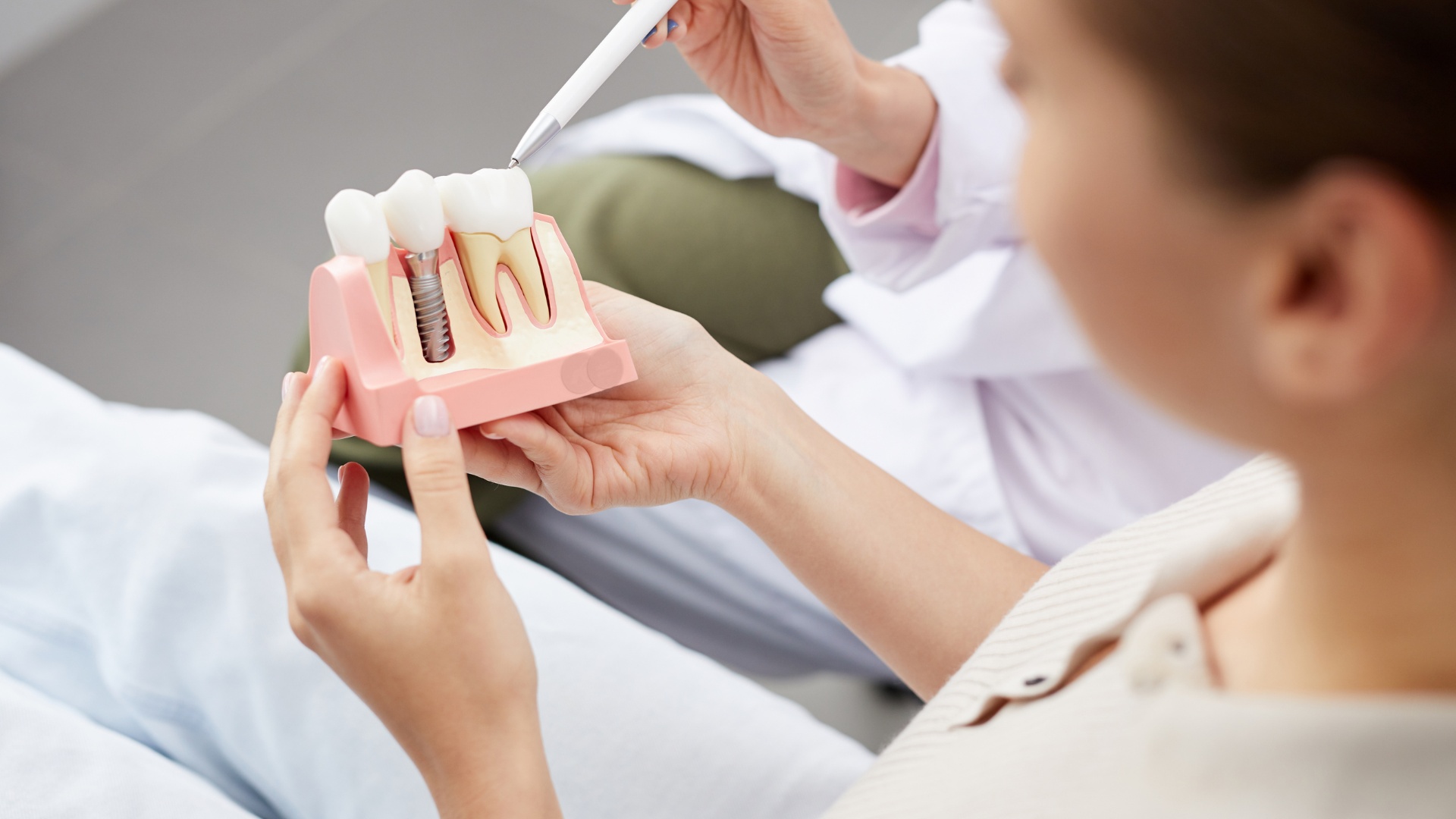
Dental implant treatment is a multi-stage process in which a titanium post is placed in the jawbone to support a crown, bridge, or denture. Because it replaces the root rather than just the visible tooth, the total fee reflects several separate components rather than one flat charge. Below, we break down what actually drives the number.
Number of Implants and Restorations Needed
The count of implants is the largest single variable. Replacing one tooth may call for one implant and one crown. Replacing a full arch typically requires several implants to support a fixed or removable restoration.
More implants mean more surgical placement, more components, and more chair time. A treatment plan that spans both sides of the mouth also takes longer to complete, which affects scheduling and the total fee.
Bone Grafting, Extractions, and Other Preparatory Work
Not every jaw can support an implant immediately. When bone volume is insufficient, grafting may be recommended to build a stable foundation before placement.
Common preparatory steps include:
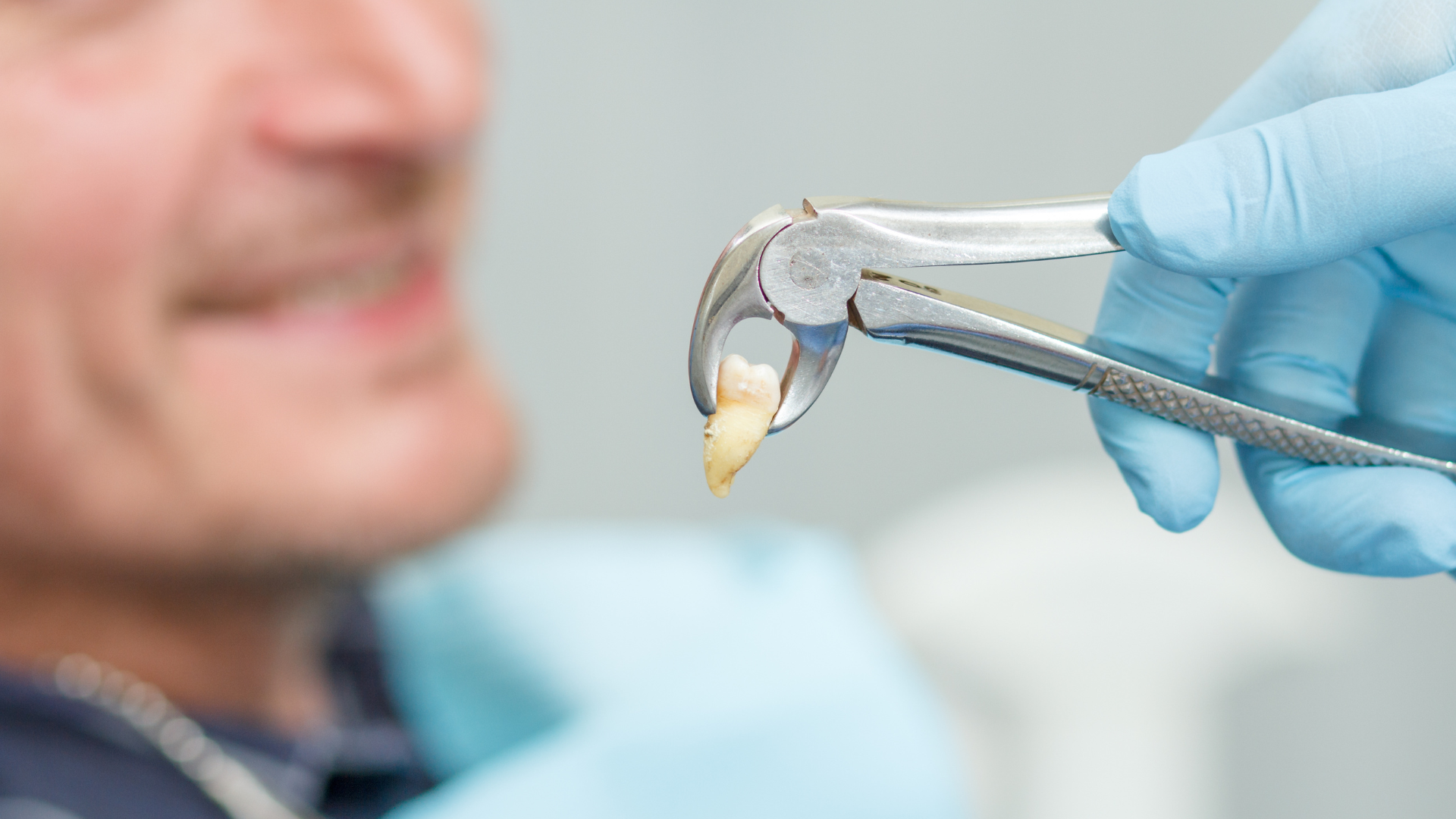
- Tooth extraction, if a failing tooth is still in place
- Bone grafting or sinus lifting to add volume
- Treatment of gum disease before surgery
- Diagnostic imaging to map nerve position and bone density
Each of these is a separate procedure with its own fee. Skipping them isn't an option when they're clinically necessary, since placing an implant into inadequate bone raises the risk of failure.
Implant Materials, Abutments, and Crown Type
The implant fixture, the abutment that connects it to the restoration, and the crown itself are three distinct cost centers. Crown material matters here: a tooth-colored ceramic or zirconia crown looks natural but costs more than a metal alternative, and it wears differently against opposing teeth.
Abutments vary too. Stock abutments are pre-made; custom abutments are milled to match your gum contour, which often produces a better fit in visible areas.
Dental Implant Insurance Coverage: What Plans Typically Pay
Dental implant insurance coverage varies widely, and many plans classify implants as a major or prosthetic service rather than a basic one. That classification usually means a lower percentage is covered and a higher annual maximum applies.
Most dental plans set an annual benefit cap, after which you pay the remainder yourself. Some plans exclude implants entirely and cover only the crown or denture portion. Others require pre-authorization before treatment begins, with documentation of medical necessity.
Before scheduling, ask your insurer three questions:
- Is the implant fixture itself a covered benefit, or only the restoration?
- What percentage applies, and under which service category?
- Is pre-authorization required, and what documentation does the plan want?
Coverage varies by plan, and your insurance benefits should be verified before treatment. Our office works with many major dental insurance plans and can help you understand what your policy is likely to cover, but the final determination always comes from your insurer.
Financing Dental Implants: Options That Spread the Cost
Financing dental implants usually means one of three routes: Financing may be available through third-party healthcare financing plan, or other payment options, depending on eligibility. Each spreads the cost differently, and the right fit depends on your timeline and credit situation.
Healthcare financing companies typically offer fixed monthly payments over terms ranging from several months to several years, sometimes with promotional no-interest periods for qualified applicants. Approval and terms are set by the lender, not the dental office.
Health savings accounts and flexible spending accounts can be used for qualifying dental expenses, which effectively pays with pre-tax dollars. Check your plan's rules on what qualifies and when funds become available.
A few practical notes before you commit:
- Ask whether the quoted monthly payment includes any origination or processing fee
- Confirm what happens if treatment pauses between surgical stages
- Find out whether the financing term outlasts the treatment timeline
Because treatment can span many months from placement to final restoration, a payment plan that ends before the crown is seated can leave a balance at the worst possible moment. Line the two timelines up before signing.
The Dental Implant Procedure Timeline and How It Affects Your Budget
The dental implant procedure timeline runs in stages, and that staging is one reason the total fee isn't paid all at once. A typical sequence includes consultation and imaging, any preparatory procedures, implant placement, healing, abutment placement, and finally the restoration.
Healing is the variable that surprises people most. After placement, the implant needs time to fuse with the bone before it can bear load. That period differs from patient to patient and can stretch longer if grafting was involved.
| Stage |
What Happens |
Why It Affects Cost |
|---|---|---|
| Consultation and imaging |
Exam, scans, written plan |
Diagnostic fees; determines scope |
| Preparatory work |
Extractions, grafting, gum treatment |
Separate procedures, separate fees |
| Implant placement |
Fixture placed in jawbone |
Primary surgical fee per implant |
| Healing period |
Bone fuses with implant |
Delays final restoration; interim options may add cost |
| Abutment and restoration |
Connector and crown fitted |
Component and lab fees |
Because each stage is billed as it happens, spreading treatment over a longer period can actually make the total easier to manage month to month, even though the overall figure doesn't change.
Single Implant vs. Full Mouth Restoration: How Costs Compare
A single implant and a full mouth restoration sit at opposite ends of the range, and the gap comes down to quantity and complexity rather than any difference in technique.
A single implant replaces one tooth: one fixture, one abutment, one crown. A full arch restoration replaces all teeth in an arch and typically uses several implants to anchor a fixed bridge or a removable overdenture. That means multiple surgical sites, more components, more lab work, and a longer overall timeline.
The comparison isn't just about the number of implants.
How to Get an Accurate Cost Estimate in Ventura
An accurate estimate for dental implants Ventura patients can rely on comes from an in-person examination with imaging, not from a phone call or a website calculator. Bone volume, gum health, and the condition of neighboring teeth all change the plan, and none of them can be assessed remotely.

Bring these to the appointment:
- Your dental insurance card and benefit summary
- A list of medications and relevant medical history
- Questions about staging and total timeline
- Your budget range, so financing can be discussed honestly
Frequently Asked Questions
What factors influence the total cost of dental implants?
The biggest factors are how many implants you need, whether extractions or bone grafting are required, the type of abutment and crown used, and whether sedation is part of your plan. Your overall oral health and the condition of the jawbone also play a role. Because every mouth is different, the only way to get a real number is an in-person exam and imaging at a practice like Jonathan Arias DDS in Ventura.
Does dental insurance typically cover the cost of implants?
Many dental plans cover part of the restorative portion, such as the crown, but exclude the implant fixture itself or classify it as a major procedure with a lower reimbursement percentage. Coverage depends entirely on your specific plan and annual maximum. Our office works with many major dental insurance plans and can help you understand your benefits before treatment begins, so ask for a breakdown at your consultation.
Are there financing options available for dental implants in Ventura?
Yes. Financing dental implants often means spreading the total across monthly payments through a third-party healthcare lender or an in-house payment plan. Some patients use a health savings account or flexible spending account to pay with pre-tax dollars. Ask our front office about the payment options available and bring your insurance card so we can estimate your out-of-pocket portion before you commit.
How long do dental implants last?
Dental implants can provide long-term tooth replacement for many patients when properly maintained, although longevity depends on bone health, gum condition, smoking status, and how well you care for the implant and crown. The crown on top may need replacement sooner than the implant itself. Dr. Arias can review your specific risk factors during an examination.
What should I expect during the dental implant consultation process?
A consultation usually includes a review of your medical and dental history, a clinical exam, and imaging such as a CBCT scan to assess bone volume. We then discuss whether you are a candidate, outline the dental implant procedure timeline, and provide a written estimate. You will have time to ask questions about insurance, financing, and sedation before deciding on treatment.
Is a single implant cheaper than full mouth restoration?
A single implant and crown will generally involve fewer components and procedures than a full-mouth restoration, so the overall treatment cost is often lower. However, the total depends on the procedures and restorations needed in each case .